Safe, Efficient Tree Removal in Rockford Starts With the Right Knowledge

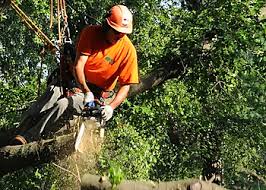
Tree removal service in Rockford emphasizing proper planning and safe practices.

Knowledge beats luck every single time, especially with trees.

Property owners often underestimate what proper tree extraction involves. They see a chainsaw and think the job looks simple. It rarely is. One miscalculated cut sends tons of wood sideways. Gravity doesn’t negotiate.

Tree removal in Rockford demands an understanding of local conditions. Michigan’s clay-heavy soils behave differently from sandy loam. Freeze cycles affect root system stability uniquely here. Smart decisions require specific information.

This guide delivers exactly that. We cover equipment, timing, and hidden costs. We explain permit requirements and neighbor liability issues. We even discuss how tree elimination affects your property’s appraised value.

Understanding What Professional Tree Felling Actually Involves

Television makes tree cutting look dramatic and fast. Reality involves more planning than action.

  1. Site assessment happens before any equipment arrives. An ISA-certified arborist examines the tree’s lean angle. They carefully check for indicators of trunk decay.
  2. Drop zone calculations require geometry skills. Professionals measure the canopy spread precisely. They account for branch weight distribution throughout.
  3. Escape routes get planned for every worker. Two clear paths minimum. Safety isn’t optional in arboriculture services.

The Equipment Factor:

Different situations demand different tools. Here’s what professionals actually use.

EquipmentPrimary UseTypical Cost to Own
ChainsawCutting and sectioning$300-$2,000
Wood chipperDebris processing$15,000-$50,000
Stump grinderBelow-grade removal$10,000-$35,000
CraneHeavy lifting over obstacles$200,000+
Rigging equipmentControlled descent of sections$2,000-$10,000

This investment explains professional pricing. Quality timber clearing requires serious capital.

How Michigan’s Soil Composition Affects Your Decision

Here’s something most articles skip entirely. Soil matters enormously in planning tree takedown.

  1. Rockford sits on glacial till deposits. This mix contains clay, sand, and gravel. Drainage patterns vary wildly across properties.
  2. Heavy equipment compacts soil significantly. A loaded truck exerts 40+ PSI pressure. That crushes the air pockets that roots need desperately.
  3. Compaction damage extends beyond the work zone. Studies show effects spreading 2-3 times the equipment width. Your remaining trees suffer silently afterward.

Protecting Adjacent Trees:

  1. Request plywood or mat pathways for equipment. This distributes weight across larger areas. Root system damage decreases substantially.
  2. Specify access routes away from tree drip lines. The canopy edge indicates root spread below. Keeping equipment outside protects underground structures.
  3. Water deeply after heavy equipment leaves. This helps soil particles resettle properly. Oxygen returns to compacted zones faster.

Professional vegetation removal accounts for these factors automatically. Budget operations rarely do.

Permit Requirements and Neighbor Liability Explained

Rockford generally follows Kent County’s tree ordinances. But specifics matter for your situation.

  1. Heritage trees over 36″ in diameter require permits. Removal without approval triggers fines. Some protected species need additional documentation.
  2. Trees within 10 feet of property lines create questions. Who owns them legally? Michigan follows trunk location rules primarily.
  3. The property owners jointly own boundary trees. Neither party can authorize tree dismantling alone. A written agreement prevents legal headaches later.

Liability Considerations:

  1. Healthy trees that fall remain “acts of God.” Property owners bear no automatic liability. Insurance handles damages through standard claims.
  2. Diseased or dead trees change everything legally. Documented neglect creates liability exposure. Hazard tree abatement becomes a legal necessity.
  3. Written arborist assessments significantly protect property owners. An ISA-certified arborist’s opinion carries legal weight. Documentation proves you acted responsibly.

Tree removal in Rockford involves more than just cutting. Legal awareness prevents expensive surprises.

The Property Value Equation Nobody Discusses

Trees affect home appraisals more than most realize. Sometimes removal increases value. Sometimes it decreases substantially.

  1. Mature oaks add 10-15% to property values. Removing them without replacement hurts resale potential. Appraisers specifically note the presence of the specimen tree.
  2. Problematic trees subtract value when documented. Foundation-threatening root systems concern buyers immediately. Strategic tree extraction actually helps here.
  3. Curb appeal calculations heavily involve tree placement. Empty front yards feel exposed and unwelcoming. Replacement planting maintains visual balance.

When Removal Makes Financial Sense:

  1. Dead or dying trees signal neglect to buyers. Hazard tree abatement demonstrates responsible ownership. Clean lots sell faster consistently.
  2. Construction projects require clear footprints. New additions need access to space and light. Timber clearing enables property improvement.
  3. Disease prevention sometimes demands removal. Infected trees threaten healthy neighbors nearby. One sacrifice protects your entire landscape investment.

An ISA Certified Arborist helps objectively calculate these trade-offs. Their assessment considers long-term impacts on property value.

Seasonal Timing and Cost Optimization Strategies

When you schedule tree felling, it directly affects pricing. Michigan’s seasons create distinct windows.

Winter Advantages:

  1. Frozen ground supports heavy crane equipment better. Soil compaction concerns decrease significantly. Access improves across previously soft areas.
  2. Deciduous trees weigh less without leaves. A lighter canopy means easier handling. Tree cutting proceeds faster overall.
  3. Demand typically drops during cold months. Arboriculture services offer better scheduling flexibility. Some companies discount winter work by 15-20%.

Spring Cautions:

  1. Saturated soils make equipment access problematic. Ruts and damage become more likely. Restoration costs add up quickly.
  2. Oak wilt transmission peaks from April through July. Chainsaw wounds create beetle entry points. Never cut oaks during this window.
  3. Storm season drives emergency pricing upward. Planned tree elimination always beats reactive calls. Schedule before problems become urgent.

Equipment and Technique Breakdown for Informed Decisions

Understanding methods helps evaluate contractor proposals intelligently.

Standard Removal Process:

  1. Climbers ascend using rope and saddle systems. They attach rigging equipment to the upper sections. Controlled cutting begins at the canopy top.
  2. Each section is lowered systematically by rope. Ground crews guide pieces away from obstacles. Nothing falls freely in professional tree dismantling.
  3. Trunk sections typically come down last. A wood chipper processes branches immediately. Cleanup happens continuously throughout.

When Cranes Become Necessary:

  1. Trees within 10 feet of structures usually require cranes. The margin for error disappears completely. Lifting beats dropping every time.
  2. Power line proximity often requires crane assistance. Utility coordination adds complexity. Professional timber clearing handles these arrangements.
  3. Difficult access lots benefit from crane reach. The equipment stays on the street. Sections travel overhead to safe landing zones.
  4. Crane rental adds $500-$2,000 to project costs. Large-scale vegetation removal amortizes this expense across multiple trees. Bundle work for better pricing.

Stump Decisions: Grind, Remove, or Leave?

Tree takedown creates immediate stump questions. Each option serves different purposes.

  1. A stump grinder reduces stumps 6-12″ below grade. Surface disappears within weeks after grinding. The root system remains but decays naturally over the years.
  2. Complete root system extraction costs 3-5x more. This approach suits construction preparation specifically. Most residential situations don’t require it.
  3. Leaving stumps saves money short-term only. They eventually attract termites and carpenter ants. Fungal growth may spread to nearby healthy trees.

Grinding Specifications:

DepthBest UseTypical Cost
4-6″Lawn restoration$75-$150
8-12″Garden bed installation$150-$300
18-24″Construction preparation$300-$500+

Specify your intended use clearly. Contractors adjust the stump grinder depth accordingly.

Selecting the Right Professional for Your Project

Credentials separate competent operators from risky choices.

  1. ISA Certified Arborist credentials indicate verified expertise. This certification requires passing comprehensive examinations. Continuing education maintains the credential.
  2. Insurance documentation needs verification before signing. Call carriers directly to confirm coverage. Certificates can be outdated or falsified.
  3. Local references matter more than online reviews. Ask for three specific recent Rockford-area projects. Contact those property owners directly.

Red Flags in Proposals:

  1. Vague scope descriptions invite disputes later. Professional tree extraction quotes itemize everything clearly. Debris removal, stump grinding, and permits appear separately.
  2. Cash-only requirements suggest tax avoidance minimally. Legitimate businesses accept standard payment methods. Paper trails protect both parties.
  3. Pressure tactics indicate desperation usually. Quality arboriculture services stay booked consistently. They don’t need aggressive closing techniques.

Moving Forward With Confidence

Tree removal in Rockford becomes straightforward with proper preparation. Knowledge transforms overwhelming decisions into manageable ones.

Start with a professional assessment. An ISA Certified Arborist evaluation costs little or nothing. The insights gained prevent expensive mistakes.

Document everything for your records. Photographs establish baseline conditions clearly. Written proposals create enforceable agreements.

Consider timing strategically for best outcomes. Winter scheduling often delivers better pricing. Planned hazard tree abatement is more cost-effective than emergency calls.

Your property deserves informed decision-making. Your trees — whether they stay or go — deserve professional care.

Ready to assess your trees? Connect with certified arborists who understand Rockford’s unique conditions. Expert guidance makes every difference.
The Hidden Risks of Delaying Tree Removal in Rockford

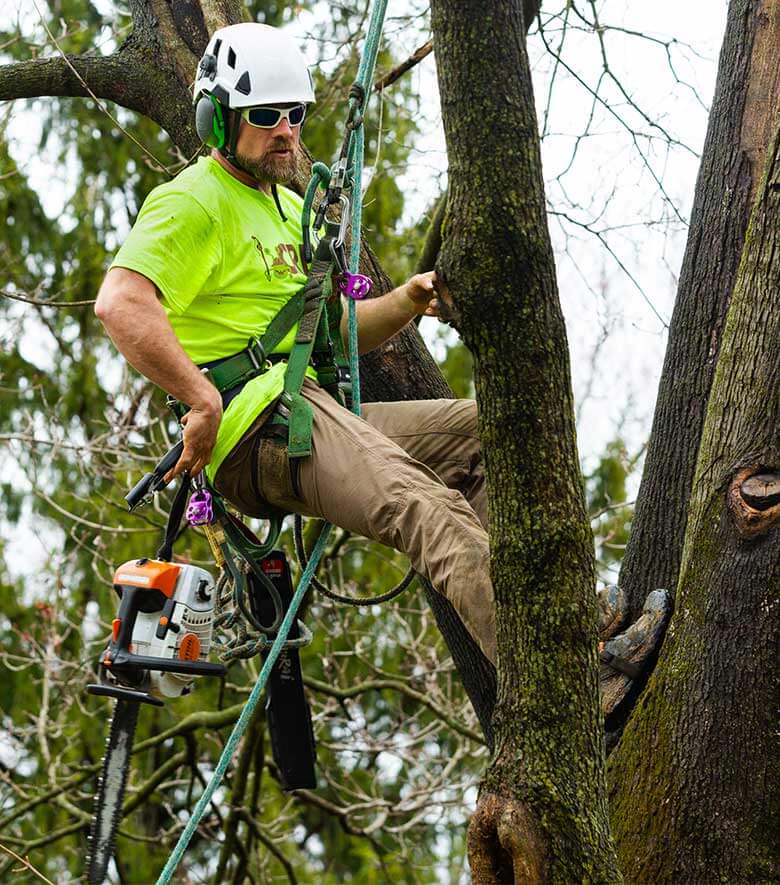
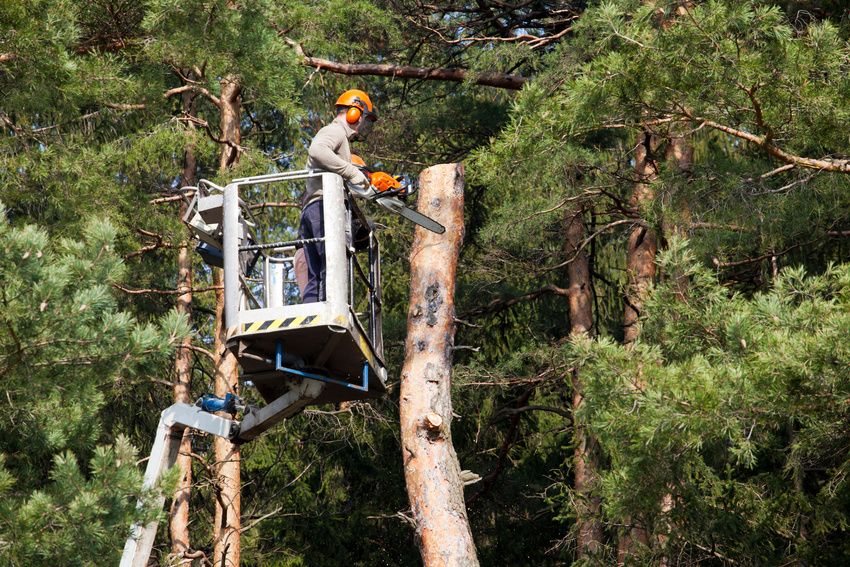
Professional assessing unsafe tree in Rockford to prevent property damage or injury

Procrastination rarely pays off. With trees, it can cost thousands.

That leaning maple you’ve been watching? It’s not getting better. The dead oak dropping limbs? It won’t heal itself.

Property owners in Rockford often delay tree extraction. The reasons vary. Budget constraints. Busy schedules. Hoping nature fixes itself.

Nature doesn’t work that way. Declining trees decline further. Problems compound exponentially.

This guide exposes what happens when you wait. We cover financial, legal, and safety consequences. Consider it your wake-up call for tree removal in Rockford.

The Compounding Cost Problem

1. Small Issues Become Major Projects

A diseased limb costs $150-$300 to remove. Wait six months, and the disease spreads. Now the entire tree canopy is affected.

Complete tree take-down runs $500-$2,100. That’s 7x the original fix. The math doesn’t lie.

2. Emergency Pricing Hits Different

Scheduled arbor care costs less than emergency calls. Specialists plan routes efficiently during regular hours. They batch neighborhood jobs together.

Storm damage changes everything. Demand spikes instantly. A certified arborist charges 25-50% more for urgent work.

3. Secondary Damage Multiplies Bills

A falling trunk doesn’t just damage itself. It crushes fences, vehicles, and structures. One delayed tree felling becomes five repair invoices.

Damage Type Average Repair Cost Insurance Complications

Damage TypeAverage Repair CostInsurance Complications
Roof damage$5,000-$15,000May deny for negligence
Vehicle crush$3,000-$8,000Comprehensive required
Fence destruction$1,500-$4,000Often excluded
Power line contact$2,000-$5,000Utility may bill you
Foundation impact$10,000-$25,000Rarely covered

Liability Risks You Haven’t Considered

1. The “Known Hazard” Legal Standard

Courts distinguish between unknown and known hazards. A tree that falls without warning? Potentially defensible. A tree you knew was dying? That’s negligence.

Documentation works against you here—arborist quotes you ignored become evidence. Neighbor complaints prove prior knowledge.

2. Beyond Your Property Lines

Your tree. Your responsibility. Even when it falls on their property.

Limbs extending over fence lines create liability exposure. Root systems damaging neighbor foundations trigger lawsuits. Delayed vegetation clearing becomes expensive litigation.

3. Municipal Code Violations

Rockford enforces dead tree ordinances. Violations bring fines and forced removal. The city chooses the contractor — not you.

City-ordered tree elimination costs more than voluntary action. They add administrative fees. Payment plans aren’t offered.

Unique Insight: The 18-Month Decay Acceleration Window

Here’s something most property owners miss. Tree decline isn’t linear. It accelerates dramatically.

A tree at 25% health decline loses strength slowly. Once it passes 50% decline, deterioration speeds up. The trunk becomes brittle within 18 months.

This matters for planning. That “stable” dead tree isn’t stable. Its structural integrity decreases weekly. Every storm becomes Russian roulette.

ISA research confirms this pattern. Wood density drops 40% in severely compromised trees. The same wind that it survived last year? It won’t survive next time.

Specialists recognize these tipping points. A certified arborist can estimate remaining structural life. Get assessments before you enter the danger window.

Safety Consequences That Keep Arborists Up at Night

1. Unpredictable Failure Patterns

Healthy trees fall predictably. They follow physics. Decaying trees break rules.

Hollow trunks shatter instead of toppling. Compromised root systems let trees fall sideways. Rotted limbs drop without wind assistance.

2. The Numbers Are Sobering

  1. Falling trees cause 100+ fatalities annually in the U.S.
  2. Property damage exceeds $1 billion yearly nationwide.
  3. Most incidents involve trees showing prior warning signs.
  4. 70% of tree failures occur during storms.
  5. The remaining 30% happen on calm days.

That last statistic chills professionals. Calm-day failures mean complete structural collapse. No warning. No time to react.

3. Secondary Hazards Emerge

Dead trees attract the emerald ash borer and other pests. These insects spread to healthy trees nearby. Your delay infects the neighborhood.

Fungal diseases work similarly. Spores travel on the wind. That sick maple threatens every maple within 500 feet.

Unique Insight: Insurance Carriers Are Watching

Here’s an angle competitors ignore. Insurance companies increasingly use aerial imaging. They photograph properties annually.

That dead tree in your backyard? They’ve seen it. Some carriers now deny claims for “pre-existing conditions.” They have timestamped photos proving the tree was dying.

Worse, they’re canceling policies entirely. High-risk properties get non-renewal notices. Finding replacement coverage costs 30-50% more.

The solution? Document your tree cutting proactively. Send removal receipts to your carrier. Prove you’re maintaining the property responsibly.

One certified arborist assessment could save your policy. ISA-credentialed reports carry weight with underwriters. Invest $150 in evaluation to protect thousands in coverage.

How Delay Affects Tree Extraction Complexity

Waiting doesn’t just increase risk. It complicates the actual removal process.

1. Equipment Requirements Escalate

A healthy tree comes down with a chainsaw and ropes. A compromised tree needs different approaches. Brittle wood requires sectional dismantling.

Crane rental adds $500-$1,500 to projects. Severely decayed trees often require them. Healthy trees rarely do.

2. Stump Grinder Challenges Multiply

Fresh stumps grind easily. Old, rotted stumps present problems. The stump grinder catches on soft, punky wood.

Decay also spreads underground. Root system removal becomes excavation. What was a $200 stump job becomes a $600 job.

3. Disposal Costs Increase

Healthy wood has value. Some arborists reduce fees for salvageable lumber. They sell it or convert it to firewood.

Diseased wood can’t be recycled. It requires special disposal. Some municipalities mandate burning for pest-infested species.

Tree Condition Removal Complexity Typical Cost Impact

Tree ConditionRemoval ComplexityTypical Cost Impact
Healthy, planned removalStandardBase price
Early declineModerate+15-25%
Advanced decayHigh+30-50%
Emergency/storm damageVery high+50-75%
Failed (already fallen)Variable+25% + damage repairs

The Emotional Cost Nobody Discusses

1. Constant Background Anxiety

Property owners report ongoing stress. Every windstorm triggers worry. Every thunderstorm brings dread.

This psychological burden is real. It affects sleep and peace of mind. Tree take-down eliminates this weight immediately.

2. Neighbor Relationships Suffer

Your dying tree makes neighbors nervous, too. They see those dead limbs hanging over their yard. Resentment builds silently.

Proactive arbor care shows respect. It demonstrates responsibility. Good neighbors handle their dangerous trees promptly.

3. Decision Fatigue Compounds

Delaying doesn’t eliminate decisions. It multiplies them. You reconsider weekly. Should I call now? Can it wait?

Decisive action ends this cycle. One phone call. One appointment. Done.

Unique Insight: The “Widow-Maker” Reality

Arborists use a grim term: widow-makers. These are hanging limbs that fall unexpectedly. They’ve earned their name.

Delayed tree cutting creates more widow-makers. Dead branches break partially, then hang. They appear stable but aren’t.

Children play beneath them. Pets rest in their shade. Guests walk underneath unknowingly.

The liability here is staggering. Personal injury lawsuits for widow-maker incidents exceed property damage claims. Average settlements range from $50,000 to $500,000.

A specialist spots these hazards immediately. They assess limb attachment points professionally. Ten minutes of evaluation prevents tragedy.

When Delay Makes Sense (Rare Cases)

Honesty matters. Sometimes waiting is appropriate:

  1. Dormant season timing: If no immediate danger exists, late winter tree felling is optimal. Frozen ground protects lawns.
  2. Permit requirements: Some municipalities require approval. Budget two weeks for paperwork.
  3. Arborist availability: Quality specialists book out 2-4 weeks. Rushing to unqualified crews backfires.
  4. Second opinions: When the diagnosis is uncertain, another certified arborist’s perspective helps. But don’t use this as an excuse for an indefinite delay.

These are tactical delays: weeks, not months. The tree still gets addressed.

Taking Action: Your Next Steps

Michigan weather won’t wait for convenient timing. Your property deserves protection now.

Every week of delay increases costs. Every storm raises the stakes. Every ignored warning sign compounds risk.

Tree removal in Rockford doesn’t have to overwhelm you. The right specialist handles everything. Assessment. Planning. Execution. Cleanup.

Stop losing sleep over that problem tree. Contact Monster Tree Service of Grand Rapids for your free evaluation. Our ISA-certified arborists identify risks and provide clear solutions. We bring the crane, chainsaw, and stump grinder — you get the address. Call today and eliminate the hidden dangers threatening your Rockford property.

Dead Trees, Storm Damage, and Tree Removal in Rockford: A Local Guide

Last summer, a Winnebago County homeowner ignored a dying maple. “It’ll last another year,” he figured. Three weeks later, a thunderstorm proved him wrong.

The trunk split at 2 AM. It crushed his garage.

Stories like this repeat across Rockford every storm season. Dead trees don’t wait for convenient timing. Neither should property owners.

This guide covers what Rockford residents need to know about tree removal in Rockford. We’ll examine dead tree identification. Storm damage assessment. And the critical decisions that protect your property.

Understanding Dead and Dying Trees on Your Property

How Trees Die: A Quick Biology Lesson

Trees don’t die overnight. The process unfolds over months or years. Recognizing early decline prevents emergencies.

  1. Root system failure typically starts the process. Compacted soil suffocates feeder roots. Disease spreads underground invisibly.
  2. The trunk shows stress next. Bark loosens. Fungal growth appears at the base.
  3. The canopy dies last. Deadwood accumulates in upper limbs. Leaf production decreases each season.

By the time a tree looks completely dead, internal decay has progressed significantly. A certified arborist can identify decline years earlier.

Common Causes of Tree Death in Rockford

Winnebago County trees face specific regional threats. Understanding local conditions helps property owners act proactively.

  1. Emerald Ash Borer infestation has devastated local Ash populations. This invasive beetle kills trees within 3-5 years. The City of Rockford Forestry Division tracks spread patterns.
  2. Salt damage from winter road treatment affects roadside trees. The American Elm is particularly susceptible to sodium accumulation.
  3. Construction injury kills trees on a delayed timeline. Root system damage from excavation shows symptoms years later.
  4. Drought stress weakens defenses against disease. Two consecutive dry summers can doom mature trees.
  5. Lightning strikes cause immediate structural damage. Internal burning continues after visible fires are extinguished.

Storm Damage Assessment: What Happens After Severe Weather

The 48-Hour Window You Can’t Ignore.

Here’s something most property owners don’t realize. Insurance claims for storm-damaged trees have deadlines. Most policies require documentation within 48-72 hours.

  1. Photograph all damage immediately after storms pass. Include wide shots and close-ups.
  2. Document the hazardous tree’s position relative to structures. Note any contact points.
  3. Keep fallen limbs in place until the adjuster arrives. Moving debris can complicate claims.

This timeline matters financially. Delayed documentation often results in denied claims. A specialist can provide professional assessments for insurance purposes.

Evaluating Storm-Damaged Trees: Save or Remove?

Not every damaged tree requires tree felling. A certified arborist evaluates several factors.

  1. Canopy loss percentage matters significantly. Trees losing 50%+ of their canopy rarely recover fully. Those losing less may survive with proper care.
  2. Trunk integrity determines structural safety. Cracks exceeding 2 inches deep compromise stability. Split trunks almost always require extraction.
  3. Root system exposure signals danger. Visible root heaving indicates that underground anchoring has failed. The tree will likely fall again.
  4. Limb attachment angles affect recovery odds. Branches torn from the trunk leave wounds. These wounds invite disease and decay.
Damage TypeRecovery LikelihoodRecommended Action
Minor limb loss (<25%)HighPruning and monitoring
Major limb loss (25-50%)ModerateProfessional evaluation
Severe limb loss (>50%)LowLikely removal
Trunk splittingVery lowImmediate removal
Root exposure/heavingVery lowImmediate removal

The Hidden Danger: Neighbor Liability After Storm Damage

Most Rockford property owners don’t know this rule. It could cost them thousands.

How Tree Liability Actually Works

  1. A healthy tree falls during a storm. It damages your neighbor’s fence. Generally, the neighbor’s insurance covers their property. “Acts of God” protect you.
  2. A dead or visibly hazardous tree falls. Different story entirely. If you knew—or should have known—the tree posed risks, you’re liable.
  3. Written warnings from neighbors create legal exposure. That friendly note about your leaning oak? It’s evidence now.

The International Society of Arboriculture (ISA) recommends annual tree inspections. Documentation protects you legally. It proves you exercised reasonable care.

Protecting Yourself Proactively

  1. Schedule annual professional evaluations for mature trees. Keep written records.
  2. Address identified problems promptly. Delayed action establishes negligence.
  3. Remove obviously dead trees before storm season. The cost pales in comparison to the liability exposure.

A certified arborist’s written assessment carries legal weight. Invest in documentation.

Professional Tree Removal in Rockford: Process and Pricing

What Qualified Tree Extraction Involves

Professional tree felling follows systematic protocols. Understanding the process helps you evaluate contractors.

  1. Site assessment comes first. The specialist evaluates access points. They identify obstacles and hazards. Drop zones get calculated.
  2. Equipment selection follows assessment. Small jobs need only a chainsaw and a truck. Large hazardous tree removals may require a crane.
  3. Limb removal precedes trunk work. Crews strip the canopy systematically. This reduces weight and unpredictability.
  4. Sectional trunk removal ensures control. The trunk comes down in managed pieces. Nothing crashes uncontrolled.
  5. Stump grinding completes the job. A stump grinder reduces remains below grade. The property returns to usable condition.

Current Pricing in the Rockford Market

Tree removal in Rockford costs vary based on multiple factors. Here’s what local property owners typically pay.

ServicePrice RangeKey Variables
Standard tree extraction$400 – $1,300Height, diameter, access
Hazardous tree removal$800 – $2,100Risk level, equipment needed
Emergency storm removal$500 – $1,500Timing, complexity
Stump grinding$75 – $350Diameter, root spread
Crane-assisted removal$2,000 – $5,000+Equipment rental, crew size

The Black Cherry Tree and American Elm grow large in this region. Mature specimens often require crane assistance for safe extraction.

Timing Your Tree Removal: Strategic Considerations

Best Seasons for Planned Removals

  1. Late winter offers ideal conditions. Trees remain dormant. Frozen ground supports heavy equipment. February works best locally.
  2. Early spring provides good visibility. A bare canopy clearly reveals structural problems. Scheduling availability improves before peak season.
  3. Summer removals cost more typically—demand peaks. Crews stay booked. Foliage complicates assessment.
  4. Fall presents moderate conditions. Weather remains workable. Leaf drop reveals deadwood. Pre-winter timing prevents ice damage.

When Timing Doesn’t Matter

Emergencies override seasonal preferences. Specific scenarios demand immediate action.

  1. Trunk leaning has increased noticeably. The tree is actively failing.
  2. Limbs hang over occupied structures. Risk exists with every wind gust.
  3. Root system exposure occurred after storms. Collapse becomes inevitable.
  4. The hazardous tree contacts power lines. Utility companies may act first—expensively.

Soil Recovery: The Factor Nobody Discusses

Here’s a unique consideration. Storm damage affects more than visible trees.

How Storms Change Your Soil

  1. Heavy rains saturate the ground completely. Root systems lose grip in mud.
  2. Soil compaction increases with equipment traffic. Emergency crews damage turf unintentionally.
  3. Erosion removes topsoil from exposed areas. Remaining trees lose nutrient access.

Why This Matters for Remaining Trees

Trees that survived one storm may fail in the next. Compromised soil conditions progressively weaken root systems.

  1. Schedule soil assessments after significant weather events. Compaction testing reveals hidden problems.
  2. Consider aeration for affected areas. This helps root system recovery.
  3. Monitor surviving trees closely for two years. Delayed symptoms often emerge.

The City of Rockford Forestry Division can recommend local soil specialists. Winnebago County extension services offer testing.

Choosing Your Rockford Tree Service Provider

Non-Negotiable Qualifications

  1. ISA certification demonstrates competence. The International Society of Arboriculture sets industry standards. Verify credentials directly.
  2. Insurance coverage protects everyone. Require proof of liability and workers’ compensation. No exceptions.
  3. Local experience matters significantly. Companies serving Winnebago County understand regional tree species. They know local soil conditions.
  4. Equipment ownership indicates capability. Do they own a crane? Stump grinder? Aerial lift? Subcontracting everything suggests limitations.

Red Flags to Avoid

  1. Door-to-door solicitation after storms. Legitimate companies stay busy with existing clients.
  2. Requests for full payment up front. Standard practice involves deposits only.
  3. No written estimates provided. Verbal agreements invite disputes.
  4. Pressure to decide immediately. Quality contractors respect your timeline.

Protect Your Investment Before the Next Storm

That dead tree in your backyard isn’t improving. The deadwood accumulating in your oak won’t disappear. Every storm season brings risk.

Property owners across Rockford face identical decisions. Act now or react later. Planned tree extraction costs less than emergency removal. Prevention beats liability.

Your property deserves protection. Your neighbors deserve consideration. Your family deserves safety.

Schedule a professional assessment today. Licensed arborists provide free estimates throughout Rockford and surrounding Winnebago County. Same-day consultations available for storm damage emergencies.

Don’t let the next storm make your decision for you.

Providing residential and commercial tree services throughout Rockford, IL, and Winnebago, Boone, and Ogle Counties. 24/7 emergency response available.

Moving Your Office? Here’s What You Need to Know About Commercial Moving Services New York City

If you’re considering moving your office in New York City, there are several important factors to keep in mind regarding commercial moving services. Partnering with a reliable commercial moving company can streamline the process, ensuring that every detail, from packing to logistics, is handled efficiently. You’ll need to think about everything from packing to logistics, ensuring that your operations face minimal disruption during the transition. Choosing the right moving company can make a significant difference, but it requires careful evaluation of their expertise and services. As you weigh your options, you might find yourself wondering what specific steps you should take to ensure a seamless move—let’s explore that next.

Understanding Commercial Moving Services

Commercial moving services are often essential for businesses looking to relocate efficiently and with minimal disruption. When you’re planning an office move, understanding what these services entail can make a huge difference in your experience. These services typically include packing, loading, transporting, and unpacking your office items. That means you don’t have to worry about the heavy lifting or logistics involved.

One of the key advantages of using commercial moving services is that they cater specifically to businesses. They understand the unique challenges you face, such as moving sensitive documents or specialized equipment. Their expertise ensures that your assets are handled with care, reducing the risk of damage or loss.

Additionally, commercial movers often provide specialized services tailored to your specific needs, like IT equipment relocation or furniture disassembly. This can save you time and effort, allowing you to focus on running your business.

Ultimately, enlisting the help of commercial moving services can streamline your relocation process. By understanding what these services offer, you’ll be better prepared to manage your office smoothly and efficiently, ensuring a swift transition to your new location.

Choosing the Right Moving Company

When planning your office move, selecting the right moving company can significantly impact your overall experience. Start by researching potential movers in New York City. Look for companies that specialize in commercial relocations, as they’ll understand the unique challenges of moving an office.

Check online reviews and testimonials to gauge their reliability and customer service. You want a company known for professionalism and efficiency. Don’t hesitate to ask for references from previous clients; a reputable mover should be happy to provide them.

Next, ensure the company is licensed and insured. This protects you in case of any damages during the move. It’s also smart to get multiple quotes, but remember that the cheapest option isn’t always the best.

Consider their experience with similar businesses; a mover familiar with your industry may offer tailored solutions. Finally, communicate your specific needs clearly and gauge their responsiveness. A good moving company will listen and provide a detailed plan to meet your requirements. By taking the time to choose wisely, you’ll set the stage for a smoother, more efficient office relocation.

Tips for a Smooth Transition

A smooth transition during your office move hinges on careful planning and organization. First, create a detailed timeline that outlines each step of the moving process. This will help keep you on track and ensure nothing gets overlooked. Next, designate a moving coordinator from your team who’ll be responsible for communication with the moving company and your staff.

Make sure to inform your employees well in advance about the move. Provide them with a clear schedule and any tasks they need to complete. This helps reduce anxiety and keeps everyone aligned. Don’t forget to update your clients and suppliers about your new address; consider sending out a newsletter or email blast.

As you pack, label boxes clearly and keep an inventory list to track items. This will save time when unpacking. Arrange for essential services, like internet and phone lines, to be set up before the move. Finally, schedule a walkthrough of your new space to plan the layout and ensure everything’s in place for a seamless transition. Taking these steps will help your office move go off without a hitch.

Make Your Local Move Effortless With Professional Local Moving New Rochelle Services

When you’re planning a local move in New Rochelle, it’s crucial to consider how professional local moving services, like Local movers New Rochelle, can streamline the entire process for you. You might think handling everything yourself is the way to go, but the stress and time involved can quickly add up. With experienced movers, you can trust that your belongings are in capable hands, allowing you to focus on more important aspects of the transition. But how do you choose the right service that meets your needs without overwhelming you? Let’s explore the key factors that can make your move truly effortless.

Benefits of Professional Movers

When you hire professional movers, you’re not just getting extra hands; you’re gaining peace of mind. Moving can be overwhelming, but with experts by your side, you can focus on what’s important while they handle the heavy lifting. Their experience means they know the best practices for packing, loading, and transporting your belongings safely and efficiently.

One of the biggest benefits is the time you’ll save. Professional movers can often complete a job in hours that might take you days, allowing you to settle into your new home faster. They also come equipped with the right tools and materials, minimizing the risk of damage to your items.

Safety’s another major advantage. You won’t have to worry about injuring yourself or damaging your possessions, as professional movers are trained to lift and maneuver heavy objects properly. Plus, many moving companies offer insurance options, adding an extra layer of protection for your belongings.

In short, hiring professional movers not only simplifies your move but also alleviates stress, ensuring a smoother transition to your new home. You can trust them to handle the logistics, giving you the freedom to enjoy this new chapter in your life.

Steps for a Smooth Move

A smooth move starts with careful planning and organization. Begin by creating a timeline to help you stay on track. Mark key dates, like when you need to book your movers and when to start packing. Next, declutter your home. Go through each room and decide what to keep, donate, or sell. This will make packing easier and reduce the number of items you need to move.

Once you’ve decluttered, gather packing supplies. You’ll need boxes, tape, bubble wrap, and markers for labeling. Start packing non-essential items first—things you won’t need in the days leading up to your move. Label each box with its contents and the room it belongs to, making unpacking a breeze.

As moving day approaches, confirm details with your moving service. Make sure they know where to park and have your contact information. Prepare an essentials box with everything you’ll need immediately, like toiletries and snacks. Finally, on moving day, take a moment to do a final walkthrough of your home, ensuring you haven’t left anything behind. With these steps, you’ll set the stage for a smooth transition into your new space.

Choosing the Right Moving Service

Selecting the right moving service can make all the difference in your relocation experience. Start by assessing your needs—are you moving to a small apartment or a larger house? Knowing the volume of your belongings will help you choose a service that fits your requirements.

Next, research local moving companies in New Rochelle. Look for reviews and testimonials to gauge their reliability and service quality. Don’t hesitate to ask friends or family for recommendations; personal experiences can be invaluable.

Once you’ve shortlisted a few options, request quotes. Make sure these quotes are detailed and include all potential costs. This transparency helps avoid unexpected charges on moving day. It’s also wise to confirm if the company is licensed and insured, as this ensures your belongings are protected.

Finally, consider their availability and flexibility. Some moving companies may offer additional services, like packing or storage, which can save you time and effort. Taking these factors into account will help you choose a moving service that aligns with your specific needs and makes your local move as smooth as possible.

How to Prepare for a Smooth Experience With Your Moving Company Scarsdale

When you’re gearing up for a move in Scarsdale, it’s essential to consider how to streamline the process with your moving company. You’ll want to start by defining your specific needs and gathering recommendations from trusted sources. Ensuring that your chosen mover is credentialed and insured can prevent potential issues down the line. Clear communication is key, but what else might you overlook that could impact your moving experience? Understanding these finer details could make all the difference as you prepare for this significant transition.

Researching Moving Companies

When researching moving companies, it’s essential to start with a clear understanding of your needs. Think about the size of your move, the distance involved, and any specific services you might require, like packing or storage. Once you have your criteria, start gathering recommendations from friends, family, or online reviews. This step can save you time and help you narrow down your options.

Next, check the credentials of the companies on your shortlist. Ensure they’re licensed and insured, which protects you in case of damage. Websites like the Better Business Bureau can provide insights into their reputation. Don’t forget to read customer reviews, as they often highlight the pros and cons of each company.

Afterward, reach out to a few companies for quotes. Be clear about your moving details to get accurate estimates. Comparing these quotes will help you identify the best value for your budget. Finally, ask about their policies on cancellations, rescheduling, and any hidden fees. By doing thorough research, you’re setting yourself up for a smoother moving experience, ensuring you choose a reliable company that meets your specific needs.

Organizing Your Belongings

How can you streamline your moving process? Start by organizing your belongings well in advance. Grab some boxes, labels, and markers, and set aside a dedicated space for packing. Go room by room, sorting items into categories: keep, donate, sell, and throw away. This’ll help you declutter and make the packing easier.

As you pack, label each box with its contents and the room it belongs in. This’ll save you time when you’re unpacking at your new place. Consider creating an inventory list, too, so you know exactly what’s been packed and can quickly locate essential items later.

Don’t forget about important documents and valuables. Keep these items separate and in a designated box that you’ll transport yourself. It’s wise to pack a “first night” box with essentials like toiletries, clothes, and bedding, so you’re not scrambling on your first day in the new home.

Finally, if you’ve got items that require special handling, like fragile antiques or large furniture, take time to note those. This’ll ensure you’re ready when it’s time to discuss specifics with your moving company.

Communicating With Your Movers

Clear communication with your movers can make all the difference on moving day. It’s essential to establish a clear line of communication early on. Make sure you share your moving details, like the address, any specific instructions, and the timeline. If there are any obstacles, such as narrow hallways or limited parking, inform them ahead of time to avoid surprises.

On moving day, it’s crucial to be available and accessible. Keep your phone close, and don’t hesitate to answer any questions your movers might have. If there are any last-minute changes, let them know immediately. Clear directions on where to place boxes or furniture can save time and prevent confusion.

Also, don’t forget to discuss payment and any other important details before the move. This way, everyone’s on the same page, and there won’t be any misunderstandings about costs or services provided.

Finally, a quick check-in during the move can help ensure everything is going smoothly. Remember, effective communication fosters a collaborative atmosphere, making your moving experience as seamless as possible.

Read more: https://divinemoving.com/movers-scarsdale/

Benefits of Hiring Moving and Storage Service for Your Needs

When you’re planning a move, you might underestimate the complexities involved, but hiring a professional moving and storage service can significantly ease that burden. Their expertise not only ensures the safe handling of your belongings but also streamlines the entire process, saving you time and reducing stress. Plus, with secure storage options available, you can rest assured that your items are protected. However, understanding the full scope of these benefits can change how you approach your next move—so consider what you might gain by exploring these services further.

Expertise and Professionalism

When it comes to moving, many people underestimate the complexity involved. You might think it’s just packing boxes and loading a truck, but there’s so much more to it. Hiring a moving and storage service brings expertise and professionalism that can make a significant difference. These professionals know the best practices for packing, transporting, and unloading your belongings. They’re trained to handle everything from fragile items to heavy furniture, ensuring that your possessions are safe throughout the process.

One of the biggest advantages of hiring experts is their experience. They’ve tackled countless moves, so they can anticipate challenges you might not even consider. Their ability to navigate tight spaces and manage logistics can save you a lot of headaches. You won’t have to worry about damaging your property or injuring yourself while lifting heavy items.

Moreover, professional movers often come equipped with the right tools and materials, from sturdy boxes to dollies and blankets, which can streamline the entire process. With their professionalism, you’ll find that your move is not only smoother but also less stressful. Ultimately, their expertise allows you to focus on settling into your new home rather than the intricacies of getting there.

Time and Cost Efficiency

Hiring moving and storage services not only brings expertise but also saves you valuable time and money. When you opt for professionals, you’re effectively streamlining the entire moving process. Instead of juggling logistics, packing, and transportation, you can focus on other important aspects of your move, like settling into your new home or managing your work commitments.

Moreover, the costs associated with a DIY move can quickly add up. You might think you’re saving money by renting a truck and enlisting friends, but hidden expenses like fuel, packing supplies, and potential damages can inflate your budget. Professional movers offer a flat rate, so you’ll know exactly what you’re spending upfront without worrying about unexpected costs.

Additionally, their efficiency means your move can be completed in a fraction of the time it would take you alone. They’re skilled at packing and loading, which minimizes the risk of damage to your belongings. Ultimately, hiring moving and storage services not only provides peace of mind but also ensures your move is as cost-effective as possible, letting you enjoy a smoother transition to your new place.

Safe and Secure Storage Options

Safe and secure storage options can make a significant difference during your move. When you hire a moving and storage service, you gain access to facilities designed to keep your belongings safe. These units often come with climate control, protecting sensitive items from extreme temperatures and humidity.

You won’t have to worry about theft or damage either. Most storage facilities have robust security measures in place, including surveillance cameras, gated access, and individual locks for your unit. This peace of mind allows you to focus on other aspects of your move without constant concern about your belongings.

Additionally, you can choose between short-term and long-term storage solutions based on your needs. Whether you need a place to store furniture while transitioning between homes or a longer-term solution for seasonal items, these services can accommodate your situation.