Last summer, a Winnebago County homeowner ignored a dying maple. “It’ll last another year,” he figured. Three weeks later, a thunderstorm proved him wrong.
The trunk split at 2 AM. It crushed his garage.
Stories like this repeat across Rockford every storm season. Dead trees don’t wait for convenient timing. Neither should property owners.
This guide covers what Rockford residents need to know about tree removal in Rockford. We’ll examine dead tree identification. Storm damage assessment. And the critical decisions that protect your property.
Understanding Dead and Dying Trees on Your Property
How Trees Die: A Quick Biology Lesson
Trees don’t die overnight. The process unfolds over months or years. Recognizing early decline prevents emergencies.
- Root system failure typically starts the process. Compacted soil suffocates feeder roots. Disease spreads underground invisibly.
- The trunk shows stress next. Bark loosens. Fungal growth appears at the base.
- The canopy dies last. Deadwood accumulates in upper limbs. Leaf production decreases each season.
By the time a tree looks completely dead, internal decay has progressed significantly. A certified arborist can identify decline years earlier.
Common Causes of Tree Death in Rockford
Winnebago County trees face specific regional threats. Understanding local conditions helps property owners act proactively.
- Emerald Ash Borer infestation has devastated local Ash populations. This invasive beetle kills trees within 3-5 years. The City of Rockford Forestry Division tracks spread patterns.
- Salt damage from winter road treatment affects roadside trees. The American Elm is particularly susceptible to sodium accumulation.
- Construction injury kills trees on a delayed timeline. Root system damage from excavation shows symptoms years later.
- Drought stress weakens defenses against disease. Two consecutive dry summers can doom mature trees.
- Lightning strikes cause immediate structural damage. Internal burning continues after visible fires are extinguished.
Storm Damage Assessment: What Happens After Severe Weather
The 48-Hour Window You Can’t Ignore.
Here’s something most property owners don’t realize. Insurance claims for storm-damaged trees have deadlines. Most policies require documentation within 48-72 hours.
- Photograph all damage immediately after storms pass. Include wide shots and close-ups.
- Document the hazardous tree’s position relative to structures. Note any contact points.
- Keep fallen limbs in place until the adjuster arrives. Moving debris can complicate claims.
This timeline matters financially. Delayed documentation often results in denied claims. A specialist can provide professional assessments for insurance purposes.
Evaluating Storm-Damaged Trees: Save or Remove?
Not every damaged tree requires tree felling. A certified arborist evaluates several factors.
- Canopy loss percentage matters significantly. Trees losing 50%+ of their canopy rarely recover fully. Those losing less may survive with proper care.
- Trunk integrity determines structural safety. Cracks exceeding 2 inches deep compromise stability. Split trunks almost always require extraction.
- Root system exposure signals danger. Visible root heaving indicates that underground anchoring has failed. The tree will likely fall again.
- Limb attachment angles affect recovery odds. Branches torn from the trunk leave wounds. These wounds invite disease and decay.
| Damage Type | Recovery Likelihood | Recommended Action |
| Minor limb loss (<25%) | High | Pruning and monitoring |
| Major limb loss (25-50%) | Moderate | Professional evaluation |
| Severe limb loss (>50%) | Low | Likely removal |
| Trunk splitting | Very low | Immediate removal |
| Root exposure/heaving | Very low | Immediate removal |
The Hidden Danger: Neighbor Liability After Storm Damage
Most Rockford property owners don’t know this rule. It could cost them thousands.
How Tree Liability Actually Works
- A healthy tree falls during a storm. It damages your neighbor’s fence. Generally, the neighbor’s insurance covers their property. “Acts of God” protect you.
- A dead or visibly hazardous tree falls. Different story entirely. If you knew—or should have known—the tree posed risks, you’re liable.
- Written warnings from neighbors create legal exposure. That friendly note about your leaning oak? It’s evidence now.
The International Society of Arboriculture (ISA) recommends annual tree inspections. Documentation protects you legally. It proves you exercised reasonable care.
Protecting Yourself Proactively
- Schedule annual professional evaluations for mature trees. Keep written records.
- Address identified problems promptly. Delayed action establishes negligence.
- Remove obviously dead trees before storm season. The cost pales in comparison to the liability exposure.
A certified arborist’s written assessment carries legal weight. Invest in documentation.
Professional Tree Removal in Rockford: Process and Pricing
What Qualified Tree Extraction Involves
Professional tree felling follows systematic protocols. Understanding the process helps you evaluate contractors.
- Site assessment comes first. The specialist evaluates access points. They identify obstacles and hazards. Drop zones get calculated.
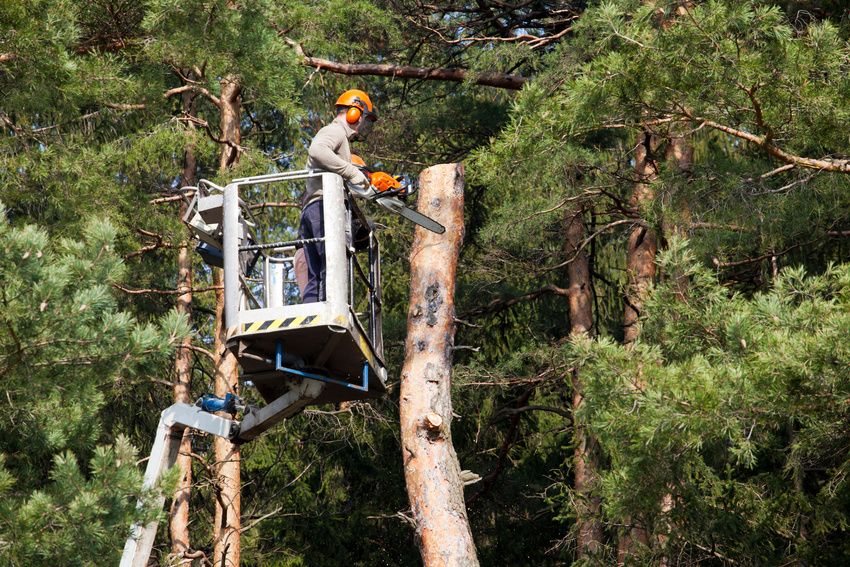
- Equipment selection follows assessment. Small jobs need only a chainsaw and a truck. Large hazardous tree removals may require a crane.
- Limb removal precedes trunk work. Crews strip the canopy systematically. This reduces weight and unpredictability.
- Sectional trunk removal ensures control. The trunk comes down in managed pieces. Nothing crashes uncontrolled.
- Stump grinding completes the job. A stump grinder reduces remains below grade. The property returns to usable condition.
Current Pricing in the Rockford Market
Tree removal in Rockford costs vary based on multiple factors. Here’s what local property owners typically pay.
| Service | Price Range | Key Variables |
| Standard tree extraction | $400 – $1,300 | Height, diameter, access |
| Hazardous tree removal | $800 – $2,100 | Risk level, equipment needed |
| Emergency storm removal | $500 – $1,500 | Timing, complexity |
| Stump grinding | $75 – $350 | Diameter, root spread |
| Crane-assisted removal | $2,000 – $5,000+ | Equipment rental, crew size |
The Black Cherry Tree and American Elm grow large in this region. Mature specimens often require crane assistance for safe extraction.
Timing Your Tree Removal: Strategic Considerations
Best Seasons for Planned Removals
- Late winter offers ideal conditions. Trees remain dormant. Frozen ground supports heavy equipment. February works best locally.
- Early spring provides good visibility. A bare canopy clearly reveals structural problems. Scheduling availability improves before peak season.
- Summer removals cost more typically—demand peaks. Crews stay booked. Foliage complicates assessment.
- Fall presents moderate conditions. Weather remains workable. Leaf drop reveals deadwood. Pre-winter timing prevents ice damage.
When Timing Doesn’t Matter
Emergencies override seasonal preferences. Specific scenarios demand immediate action.
- Trunk leaning has increased noticeably. The tree is actively failing.
- Limbs hang over occupied structures. Risk exists with every wind gust.
- Root system exposure occurred after storms. Collapse becomes inevitable.
- The hazardous tree contacts power lines. Utility companies may act first—expensively.
Soil Recovery: The Factor Nobody Discusses
Here’s a unique consideration. Storm damage affects more than visible trees.
How Storms Change Your Soil
- Heavy rains saturate the ground completely. Root systems lose grip in mud.
- Soil compaction increases with equipment traffic. Emergency crews damage turf unintentionally.
- Erosion removes topsoil from exposed areas. Remaining trees lose nutrient access.
Why This Matters for Remaining Trees
Trees that survived one storm may fail in the next. Compromised soil conditions progressively weaken root systems.
- Schedule soil assessments after significant weather events. Compaction testing reveals hidden problems.
- Consider aeration for affected areas. This helps root system recovery.
- Monitor surviving trees closely for two years. Delayed symptoms often emerge.
The City of Rockford Forestry Division can recommend local soil specialists. Winnebago County extension services offer testing.
Choosing Your Rockford Tree Service Provider
Non-Negotiable Qualifications
- ISA certification demonstrates competence. The International Society of Arboriculture sets industry standards. Verify credentials directly.
- Insurance coverage protects everyone. Require proof of liability and workers’ compensation. No exceptions.
- Local experience matters significantly. Companies serving Winnebago County understand regional tree species. They know local soil conditions.
- Equipment ownership indicates capability. Do they own a crane? Stump grinder? Aerial lift? Subcontracting everything suggests limitations.
Red Flags to Avoid
- Door-to-door solicitation after storms. Legitimate companies stay busy with existing clients.
- Requests for full payment up front. Standard practice involves deposits only.
- No written estimates provided. Verbal agreements invite disputes.
- Pressure to decide immediately. Quality contractors respect your timeline.
Protect Your Investment Before the Next Storm
That dead tree in your backyard isn’t improving. The deadwood accumulating in your oak won’t disappear. Every storm season brings risk.
Property owners across Rockford face identical decisions. Act now or react later. Planned tree extraction costs less than emergency removal. Prevention beats liability.
Your property deserves protection. Your neighbors deserve consideration. Your family deserves safety.
Schedule a professional assessment today. Licensed arborists provide free estimates throughout Rockford and surrounding Winnebago County. Same-day consultations available for storm damage emergencies.
Don’t let the next storm make your decision for you.
Providing residential and commercial tree services throughout Rockford, IL, and Winnebago, Boone, and Ogle Counties. 24/7 emergency response available.